
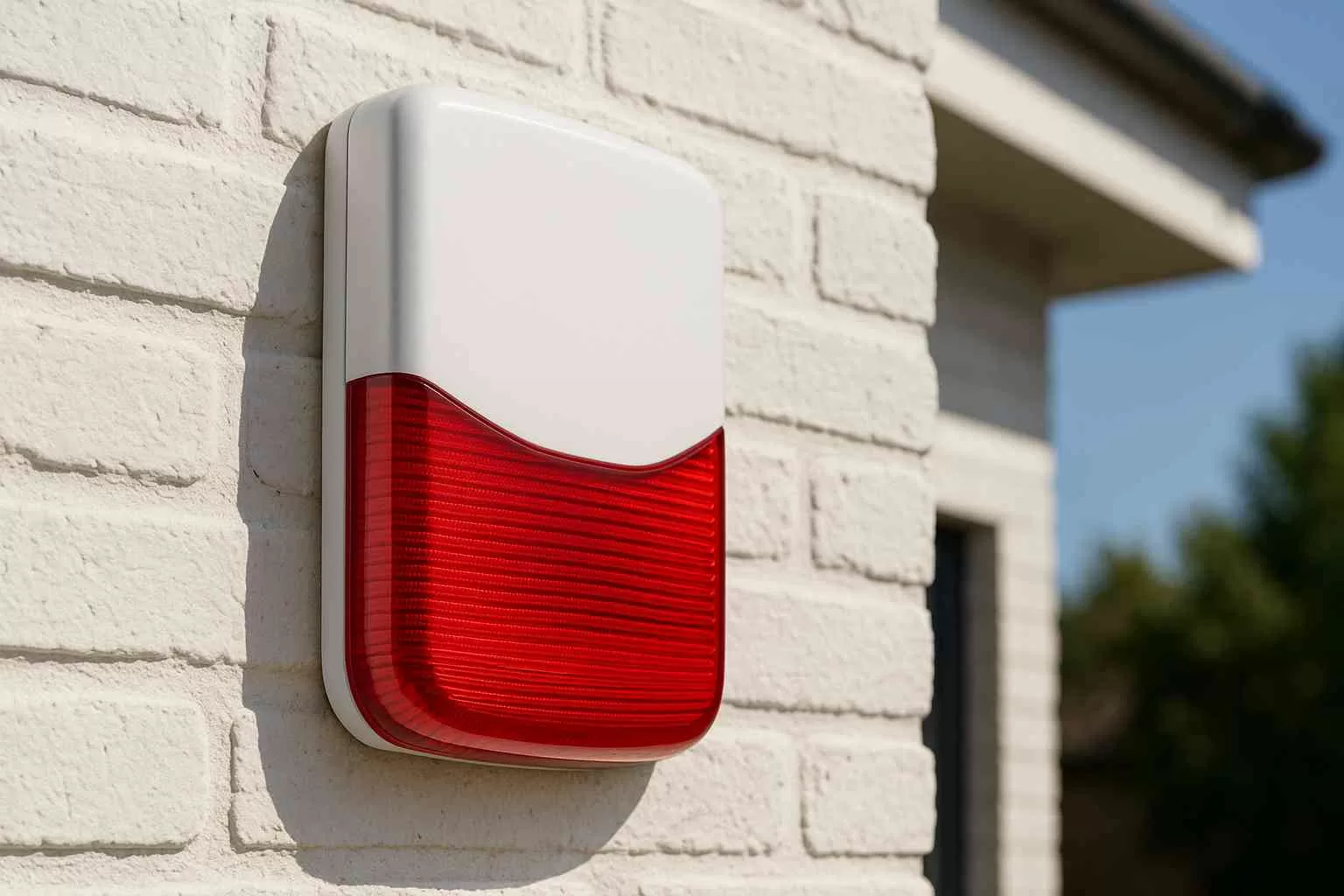
Discover how a hooter boosts your security system. Learn types, uses, and best practices for installing a hooter for maximum safety.
Hooter: The Unsung Hero of Your Security System
Have you ever wondered what stands between a silent break-in and a foiled intrusion? It’s not always high-tech cameras or fancy sensors—it’s often the humble hooter that saves the day. Many people overlook this small but mighty device, yet it’s one of the most critical elements of any effective alarm system.
In this comprehensive guide, you’ll discover what a hooter is, how it works, where to install it, and why no security setup is truly complete without one. Whether you’re a homeowner, a business owner, or a security professional, this post will show you how the right hooter can make all the difference in protecting what you value most.
What Is a Hooter?
At its core, a hooter is an audible alarm device that emits a loud sound when triggered by a connected security system. Think of it as your property’s voice—loud, clear, and impossible to ignore.
When an intruder triggers a sensor—like a motion detector or a glass break sensor—the hooter blares a powerful siren. This sudden noise deters criminals and alerts people nearby, dramatically increasing the chances of stopping a threat in its tracks.
While the concept is simple, modern hooters come in various types, volumes, and mounting options. Let’s break down the essentials.
Types of Hooters You Should Know
Not all hooters are created equal. Here are some of the most common types you’ll encounter:
1. Indoor Hooter
Designed for enclosed spaces, indoor hooters produce a loud alarm within a building. They are typically smaller and easy to install on walls or ceilings.
Use case: Homes, offices, small shops.
2. Outdoor Hooter
Outdoor hooters are weatherproof and louder than indoor models. They warn the neighborhood or nearby security personnel of an intrusion.
Use case: Large commercial premises, standalone houses, gated communities.
3. Combined Hooter with Strobe Light
Some hooters come with flashing strobe lights for added visual alerting. This is helpful in noisy areas where the siren alone might not be noticed immediately.
Use case: Factories, warehouses, places with heavy machinery noise.
How a Hooter Works in a Security System
A hooter doesn’t work alone—it’s part of a connected network. Here’s a simple rundown:
- Detection: A sensor detects unusual activity (motion, break-in, fire).
- Signal Transmission: The control panel receives the signal.
- Trigger: The panel activates the hooter.
- Alarm: The hooter sounds an alarm, drawing immediate attention.
Some modern hooters can also be connected to smart systems, sending push notifications or triggering other security measures like automatic door locks.
Why a Hooter Is Essential for Home and Business Security
You might think your CCTV cameras and sensors are enough. But without an audible deterrent, criminals might take their chances. A Alarm Siren adds an extra layer of protection:
Immediate Deterrence: The loud noise startles intruders, forcing them to flee.
Community Alert: Neighbors or passersby are alerted to suspicious activity.
Fast Response: Security teams can act quickly when they hear an alarm.
Peace of Mind: Knowing there’s a loud siren ready to shout for help is comforting.
Without a hooter, a break-in might go unnoticed until it’s too late.
Where to Install a Hooter for Maximum Effect
Placement is critical. A poorly positioned Alarm Siren won’t be heard when you need it most.
Here are a few tips:
- Near Entry Points: Install Alarm Siren near doors, windows, or any vulnerable spots.
- High Visibility: Outdoor hooters should be mounted where they’re visible—this alone can scare off intruders.
- Height: Place hooters high enough to prevent tampering.
- Multiple Locations: In large buildings, use more than one hooter to cover all areas.
Common Mistakes to Avoid
Many people make simple mistakes when installing a Alarm Siren. Avoid these pitfalls:
- Wrong Placement: Don’t hide the Alarm Siren behind furniture or inside cupboards.
- Low Volume: Choose a hooter with sufficient decibel output for the size of your space.
- Lack of Maintenance: Test your hooter regularly. Dust, insects, or wiring issues can cause failures.
How to Choose the Right Hooter
Choosing the best Alarm Siren depends on your needs and budget. Here’s what to consider:
- Decibel Level: Indoor hooters typically range from 90–110 dB; outdoor ones can go up to 120–130 dB.
- Power Source: Some hooters run on AC power, while others have backup batteries.
- Integration: Make sure your hooter is compatible with your alarm system.
- Weather Resistance: For outdoor hooters, check the IP rating.
A good security provider can help you select the right model.
Installing a Hooter: DIY or Professional?
Installing a hooter isn’t rocket science, but it does require basic electrical know-how. If you’re not comfortable with wiring and placement, hire a professional. Proper installation ensures reliability during emergencies.
Want to know more about choosing professional installation? Check out our guide on security system installation for detailed insights.
Case Study: How a Hooter Prevented a Warehouse Break-In
In Chennai, a small logistics company faced repeated break-in attempts. Despite having CCTV cameras, thieves kept targeting their warehouse at night. When they added a weatherproof outdoor hooter with a strobe light, the next attempted break-in ended in seconds. The siren scared off the intruder, and security staff responded instantly.
This real-life story shows that sometimes, a loud noise is all it takes to protect your assets.
Compliance and Standards
When installing a hooter, always check local regulations. Some areas have noise ordinances restricting alarm volume and duration. Reputable brands design hooters that comply with international standards like CE or UL.
Future Trends: Smart Hooters
With the rise of IoT and smart homes, hooters are evolving too. Some models now feature:
- Remote Control: Activate or deactivate from your phone.
- Self-Testing: Get notified if the hooter isn’t working.
- Integration: Connect to smart lights, locks, or security cameras.
These innovations make hooters even more effective and convenient.
Siren/Hooter for ATSS Intruder Alarm System
The siren or hooter in an intruder alarm system is designed to produce a loud, attention-grabbing sound when the alarm is triggered, helping deter intruders immediately.
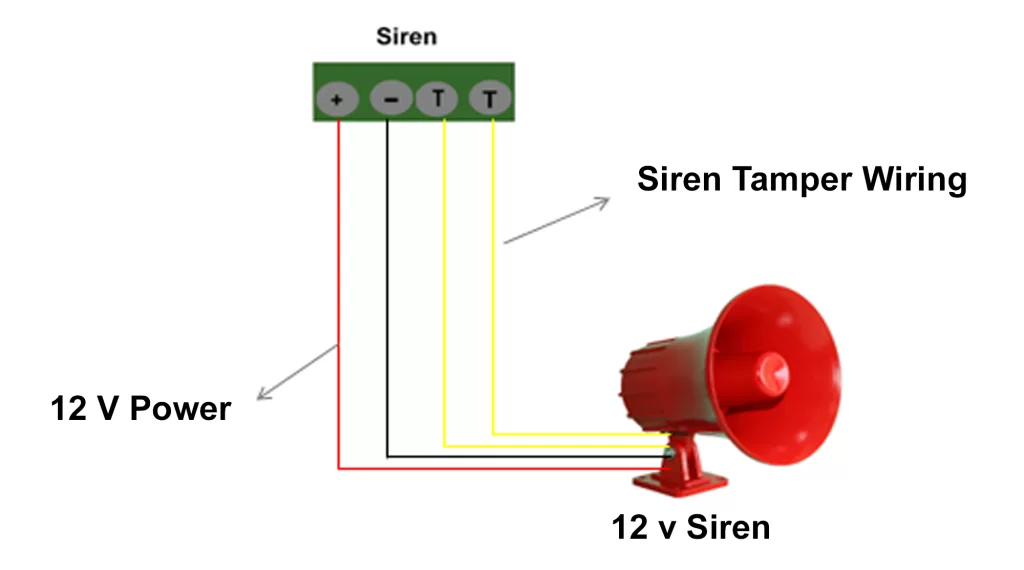
ATSS intrusion alarm systems come with provisions to connect two tamper-proof 12V sirens/hooters. This dual siren setup ensures extra security — if one siren’s wiring is tampered with or cut, the second siren will automatically sound the alarm.
Wiring the Siren
The sirens are wired to the ATSS intrusion alarm system as shown below:
- (+, -) — Connect to 12V DC power supply
- (T, T) — Connect to the tamper circuit
This tamper wiring loop ensures that any attempt to disable the siren triggers the alarm immediately.
ATSS – Advanced Security Solutions You Can Trust
Conclusion: Don’t Underestimate the Mighty Hooter
When it comes to security, silence isn’t golden—it’s risky. A reliable Siren is your first audible line of defense. It’s a simple yet powerful tool that turns any security system from passive to proactive.
Don’t wait for a break-in to discover what your system is missing. Make sure your alarm can speak—loudly and clearly—when danger strikes.
With the right hooter, your security system has a voice. Make sure it’s heard.
👉 Ready to upgrade your security? Talk to an expert today, WhatsApp