
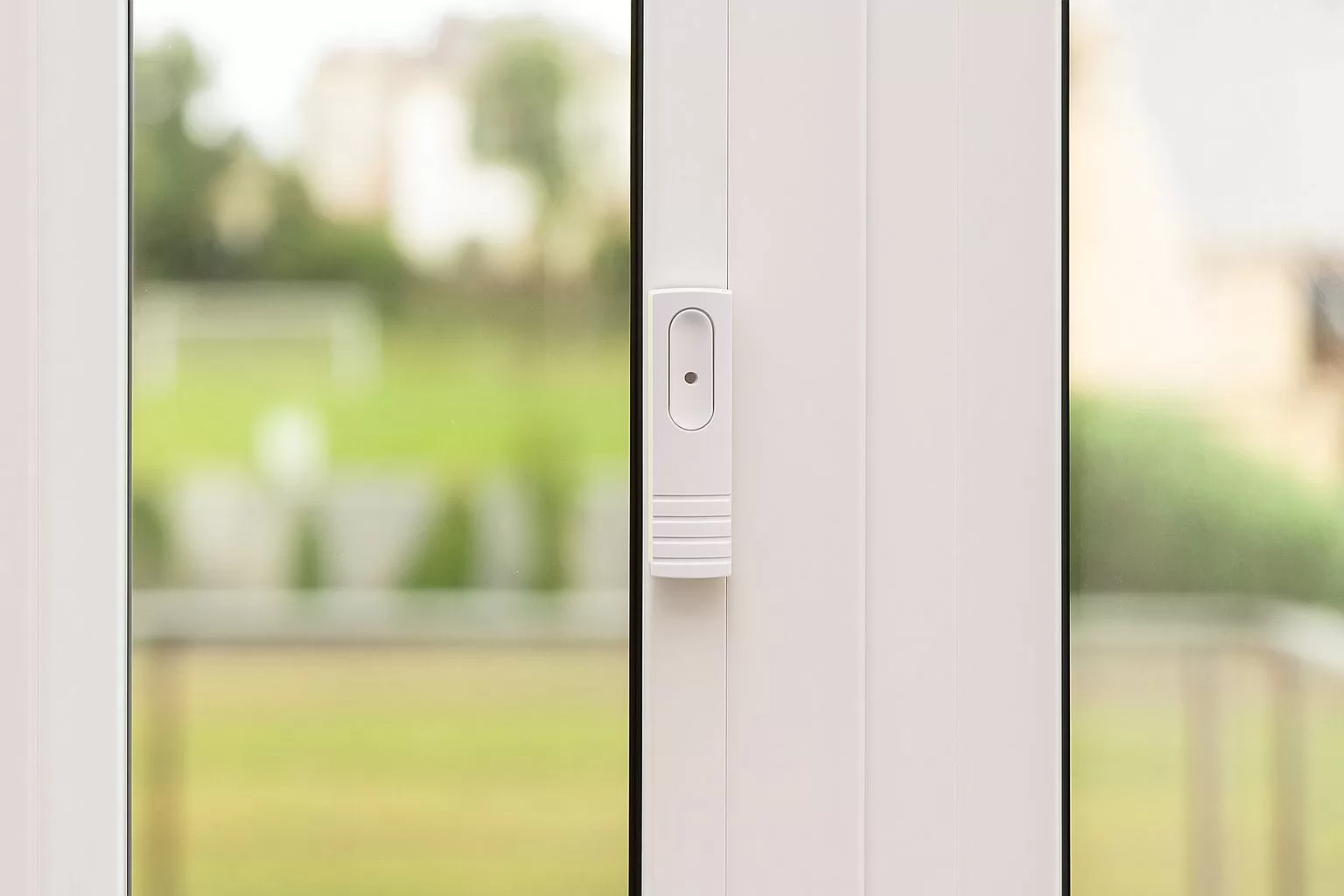
 Protect your home with a smart vibration alarm sensor. Discover how it detects break-ins and adds extra security to your doors, windows, and valuables.
Vibration Sensor For Home Security System
Did you know that over 60% of home break-ins happen through forced entry?
Imagine you’re away on vacation, confident your alarm will protect you — but the intruder bypasses motion sensors and quietly pries open a window. Scary, right? This is where a vibration alarm sensor becomes a game-changer for your home security system.
In this comprehensive guide, you’ll learn what a vibration alarm sensor is, how it works, where to install it, its benefits, and how it complements your overall security plan. By the end, you’ll understand why this small device could make the difference between a secure home and an unexpected loss.
Stay alert, stay safe — your peace of mind is worth it.
What Is a Vibration Alarm Sensor?
A door vibration sensor is a compact device that detects vibrations or shocks on doors, windows, safes, or any surface you want to secure. It’s designed to sense the subtle movements caused by an attempted break-in — like drilling, knocking, or forced opening — and immediately trigger an alarm.
Unlike basic motion sensors that detect movement inside your home, a vibration alarm sensor works at the entry point, giving you an extra protective layer. This early detection capability means you’re alerted before an intruder even steps inside.
Modern door vibration sensor are smart, reliable, and can be wired or wireless. Some integrate with smart home hubs and send instant alerts to your phone.
How Does a Vibration Alarm Sensor Work?
At its core, a door vibration sensor uses a tiny seismic or piezoelectric sensor to detect vibrations. When someone tries to force open a window, hammer a lock, or drill a safe, the impact creates vibrations that the sensor picks up.
When the vibration exceeds a preset threshold, the sensor triggers an alarm signal. This can activate a siren, send a notification to your phone, or alert a professional monitoring service.
Many modern vibration alarm sensors allow you to adjust sensitivity levels. This means you can fine-tune them to ignore normal background vibrations — like thunder or passing trucks — and only react to suspicious tampering.
Why Use a Vibration Alarm Sensor?
Early Detection:
A vibration alarm sensor detects forced entry attempts before the intruder gains access. This early warning gives you time to respond or scare them away.
Extra Layer of Protection:
They complement existing security devices like motion detectors, door/window contacts, and cameras. Together, they create a multi-layered defense system.
Easy Installation:
Most vibration alarm sensors are easy to install with adhesive backing. No drilling or complex wiring needed for many models.
Low Maintenance:
They use minimal power and rarely need attention beyond occasional battery checks for wireless models.
Affordable Peace of Mind:
Compared to the potential loss from a break-in, vibration alarm sensors are an inexpensive upgrade for any security system.
Where Should You Install a Vibration Alarm Sensor?
Placement is crucial for maximum effectiveness. Here are the best spots:
1. Windows and Glass Doors
Burglars often target windows as weak entry points. Install a vibration alarm sensor on ground-floor windows, basement windows, and sliding glass doors.
2. Main Doors
Reinforce front, back, and side doors. If someone tries to kick in a door or pry it open, the vibration alarm sensor detects the impact instantly.
3. Safes and Lockers
Protect valuable items like jewelry, documents, or firearms by attaching a vibration alarm sensor to your safe or cabinet.
4. Garage Doors
Garage doors are common targets because they often connect directly to the home. Adding a vibration alarm sensor helps secure this overlooked entry point.
Key Features to Look For in a Vibration Alarm Sensor
Not all sensors are created equal. Here are some must-have features to consider:
Adjustable Sensitivity
Make sure your sensor allows you to set the sensitivity. This reduces false alarms from harmless vibrations.
Wireless Connectivity
Modern vibration intrusion sensor often come with wireless options. These integrate easily with your existing security hub or smart home system.
Mobile Notifications
Look for models that send instant push notifications to your phone or integrate with apps like Alexa or Google Home.
Battery Backup
If you choose a wireless sensor, long-lasting batteries are a must. Some even alert you when the battery is low.
Tamper Alerts
Advanced models have tamper protection to notify you if someone tries to disable the sensor.
How to Install a Vibration Alarm Sensor
1: Choose the Right Spot
Clean the surface and pick a location close to the most vulnerable part of the door or window frame.
2: Attach the Sensor
Use the adhesive backing or screws provided. Ensure the sensor is firmly in place.
3: Test the Sensitivity
Gently knock or tap near the sensor and adjust the sensitivity level to minimize false alarms.
4: Connect to Your System
Pair it with your alarm panel or smart hub according to the manufacturer’s instructions.
5: Perform Routine Checks
Test the sensor regularly to ensure it’s working perfectly.
Advantages Over Other Security Sensors
You may wonder: Why not just stick with a motion sensor or door contact?
Here’s how a vibration alarm sensor stands out:
- Detects break-ins sooner — before a door or window is opened.
- Works even if intruders bypass contacts by entering through broken glass.
- Adds redundancy to your system. If one layer fails, the vibration alarm sensor catches what the other missed.
This layered approach is why many security experts recommend pairing different sensor types for maximum coverage.
Combining Vibration Alarm Sensors with Other Security Devices
A vibration alarm sensor works best when it’s part of a complete security strategy. Combine it with:
✅ Smart Cameras: Get real-time video when vibration is detected.
✅ Door/Window Contacts: Double-check entry points for added assurance.
✅ Glass Break Detectors: Use together for full coverage of glass surfaces.
✅ Professional Monitoring: Some security providers offer plans that include vibration alarm sensors with 24/7 monitoring.
Maintenance Tips for Long-Term Reliability
Even the best vibration alarm sensor won’t protect your home if it’s not maintained. Follow these tips:
- Check Batteries: Replace batteries at least once a year or when your system alerts you.
- Test Regularly: Perform test triggers monthly to ensure it detects vibrations correctly.
- Clean the Surface: Dust or grime can affect the adhesive or sensitivity.
- Update Firmware: If your sensor is part of a smart system, keep its software updated for optimal performance.
Common Myths About Vibration Alarm Sensors
Myth 1: They Cause Too Many False Alarms
Modern vibration alarm sensors are far more sophisticated than older models. Adjustable sensitivity and smart algorithms filter out harmless vibrations.
Myth 2: They’re Expensive and Hard to Install
Many reliable window vibration detector are budget-friendly and DIY-friendly. A few minutes is often all you need to set one up.
Myth 3: They Replace Other Security Devices
They’re not replacements — they’re enhancements. Think of them as extra layers that cover what other devices can miss.
Vibration Alarm Sensor: Trusted by Security Experts
Homes without security systems are 300% more likely to be broken into. Experts agree that layered security — combining motion detectors, cameras, and a vibration alarm sensor — dramatically reduces your risk.
When an intruder knows they can’t quietly pry open a window without triggering an alarm, they’re more likely to abandon the attempt altogether.
Conclusion
Your home is your sanctuary — protect it proactively.
A vibration detector is a simple, affordable, and powerful way to stop break-ins before they happen. Combined with other security devices, it gives you confidence that your loved ones, valuables, and peace of mind are safe.
Don’t wait for a break-in to rethink your security strategy.
✅ Add a vibration detector to your system.
✅ Test it regularly.
✅ Sleep soundly, knowing you’re one step ahead.
Got questions about choosing the right vibration alarm sensor? WhatsApp